


Cold Email Strategies That Work in B2B Healthcare (Without Killing Deliverability)



Cold emails remain one of the most effective outbound channels in B2B healthcare email marketing. Despite the rise of social selling and digital ads, cold emails can increase marketing return on investment (ROI) when executed correctly. But 95% of B2B cold emails fail to generate replies, with average response rates between 1% and 5%. The real challenge is balancing personalization with deliverability. For SDRs, GTM leads, and outbound marketers, mastering cold email in healthcare requires precise targeting, accurate timing, and consistent follow-ups. This guide helps you develop an actionable cold email strategy to reach top-tier decision-makers in the competitive healthcare sector.
Why Healthcare Cold Email Is Different and Why Most Teams Get It Wrong
Cold email in healthcare is uniquely different because it operates in a high-stakes, low-trust environment where recipients (physicians, nurses, healthcare administrators) are severely time-constrained and bombarded with spam. Most teams fail at healthcare cold emailing because they use a generic B2B spray-and-pray approach, focusing more on sales pitches than on solving the specific problems of their target audience.
Here’s why most of them don’t get satisfactory results:
- Multi-Stakeholder Buying: Final decisions often involve clinicians, administrators, and procurement teams. A generic single email rarely reaches the key decision-makers’ inboxes.
- Longer Decision Cycles: Closing deals usually stretch 3–6 months. This extended timeline demands credibility, consistent follow-ups, and patience rather than quick wins.
- IT-Protected Inboxes: Healthcare systems deploy more advanced filters, making deliverability more difficult than in other industries. Domain authority, reputation, and sender hygiene are key factors, understanding domain reputation management is essential before sending a single healthcare campaign.
- HIPAA Perception Problem: Even in B2B contexts where HIPAA doesn’t technically apply, prospects remain highly sensitive to compliance language and data privacy, requiring careful messaging.
- Volume-Blasting Backfires: Healthcare moves more slowly. It’s more relationship-driven. Trust matters more than volume. Therefore, spray-and-pray campaigns trigger spam, erode trust, and alienate cautious buyers. Precision and personalization are far more effective.
- Common Failure Points: Poor targeting that ignores role-specific priorities. Reliance on generic lists instead of curated, segmented data. Neglecting deliverability fundamentals like SPF, DKIM, and warmed domains.
List Quality Is the Real Deliverability Strategy
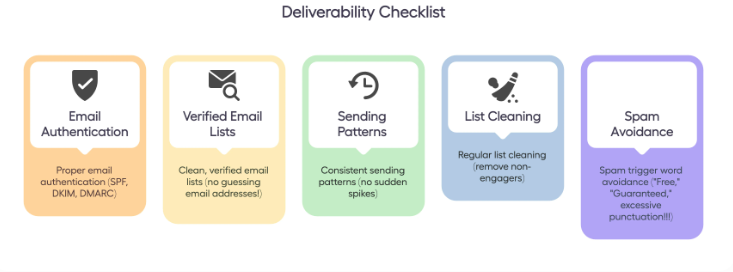
In healthcare marketing, list quality is essential for strong email deliverability. Maintaining a high-quality list requires regularly removing invalid, inactive, and unengaged subscribers. Healthcare data is especially volatile due to frequent physician turnover, practice acquisitions, and organizational changes.
As a result, consistently verifying and updating data is critical to reaching the right audience, since outdated or unverified lists can quickly undermine campaign performance.
- Verified healthcare data relies on coordinated validation, segmentation, and affiliation. NPI checks confirm each record represents a legitimate, active clinician. Specialty segmentation groups providers by clinical expertise and patient focus, enabling precise outreach. Identifying organizational affiliation clarifies whether a provider is part of a large health system or operates independently, which directly informs targeting strategies. These elements together create a framework that ensures relevance, accuracy, and strategic consistency.
- Segmenting by organization type is essential in cold email marketing, since it ensures communication matches each audience’s exact needs. Large health systems have complex hierarchies and centralized procurement, so messaging should be broad and calculated to reach multiple decision-makers. Independent practices, conversely, value autonomy and prefer direct, bespoke communication that reflects their specific priorities. By distinguishing between these organizational models, marketers can tailor outreach to each context and motivation, increasing relevance, building trust, and improving interaction and conversion rates.
- Suppression hygiene refers to maintaining a clean email list to ensure messages reach the intended recipients. In healthcare outreach, this practice is particularly important because trust and accuracy are critical. If recipients do not engage with emails after three attempts, it is advisable to discontinue further messages rather than continue sending them up to 10 times. This approach conveys respect for the audience and safeguards the sender's reputation. Additionally, it signals to email systems that the messages are relevant, hence enhancing deliverability. Prioritizing engaged recipients conserves time and resources while creating stronger connections. Ultimately, effective list management, which focuses on quality over quantity, is essential for successful communication.
Writing Emails That Don’t Get Flagged or Ignored
Most healthcare cold emails get ignored not because cold email doesn’t work, but because they’re written like generic B2B outreach. Healthcare buyers respond to relevance, brevity, and a clear reason to engage.
Here are the structural elements that actually move the needle:
- Subject Line: Keep your email subject lines short, specific, and non-clickbait. Avoid clinical jargon and urgency language like “urgent” and “critical” knowing which spam words trigger filters can protect your healthcare campaigns. Also avoid overused templates like “Quick question” with no context. A personalized subject line with a role-specific reference or organization name consistently outperforms generic alternatives.
- Body Structure: Maintain a disciplined structure within the email body. Highlight a pain point or challenge they might relate to and back it up with insight. Mention similar clients who faced the same problems and how your solutions helped them overcome those problems. Social proof still works.
- Personalization: Cold emails have poor conversion rates because the content and offers are not relevant to the clients’ specific needs. In simple words, they are not personalized. Cold email personalization means making every cold email you send read like a unique, compelling correspondence written just for the recipient. Personalization extends beyond clients’ first names; it also reflects the organization's type, specialty, or relevant operational context to convey a genuine understanding.
- Length: As healthcare decision-makers are high-demanding professionals, keep the message to 100 professional words and ensure clarity to respect their limited time. This strategy helps you get emails opened, clicked, and provoke immediate responses.
- CTAs that work: The call to action in a cold email is often overlooked. Many focus on subject lines or refining the email body, but without a clear and persuasive call to action, your efforts may fall short. When crafting the email CTA, keep these points in mind: focus on one action, make it easy to say yes, and align with the buying journey. Also suggest low-commitment next steps like “Would you be open to a quick intro call?”
Sequence Design for Long Sales Cycles
In B2B healthcare sales, thoughtful sequencing and patience are the most crucial factors to creating long-lasting business relationships. Therefore, sending too many emails too quickly (e.g., every 3 days) may make the healthcare marketers seem unprofessional and desperate.
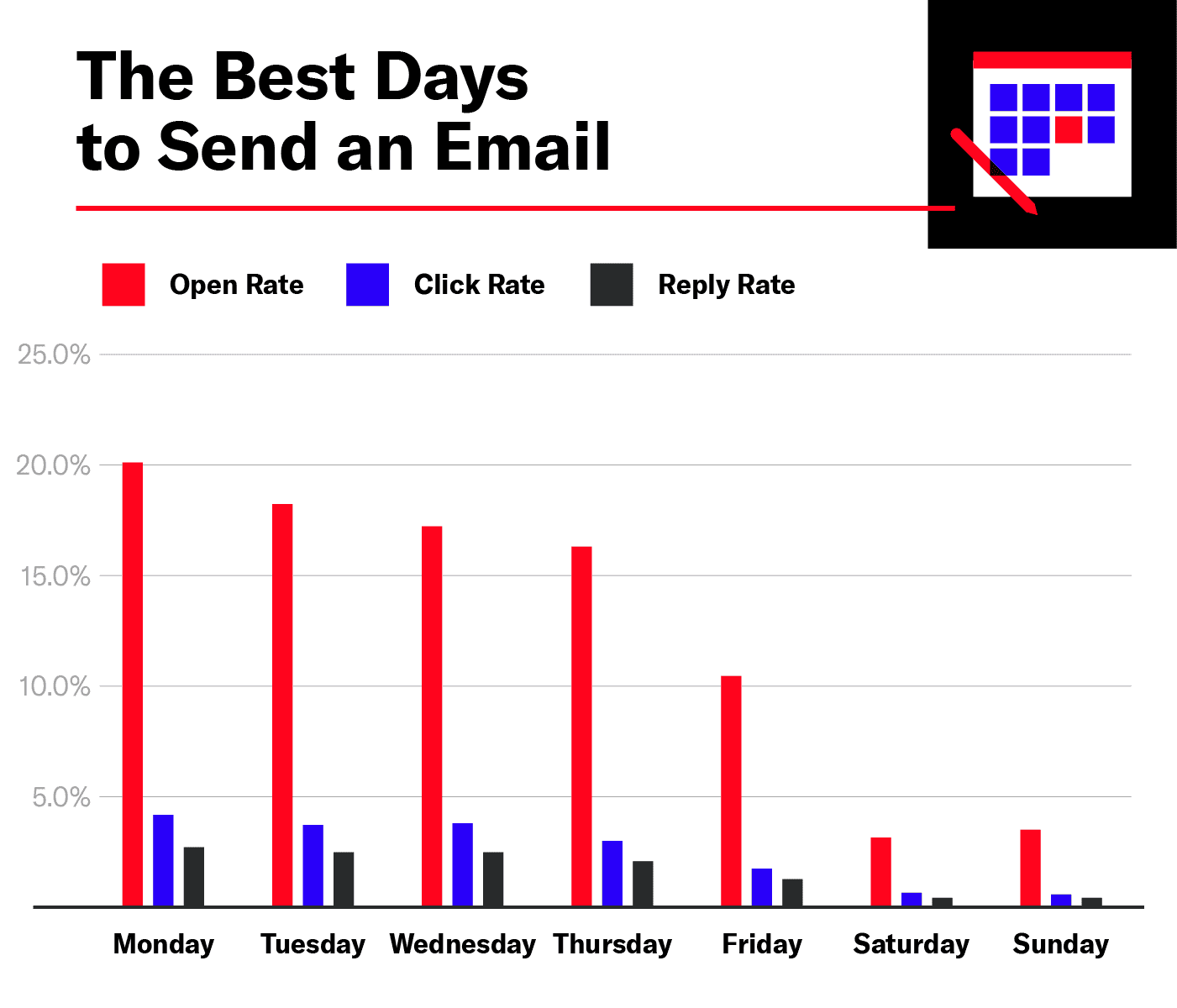
A 3-day cadence lacks personalized messages, variety, and value-based content needed to elicit responses from physicians and administrators. Here, the sales cycles are longer and often demand extended timelines.
The best option is to spread out email sending over three to four weeks rather than sending many emails every few days. A well-structured email sequence strategy ensures prospects have enough time to engage without feeling pressured.
It is important to balance persistence with respect. Contacts who do not respond after three to four attempts should be removed from outreach lists, as repeated contact can harm credibility and sender reputation.
Seasonal patterns should also be considered during planning. Budget cycles, major industry events such as HIMSS, and conference blackout periods can all influence response rates. Timing is equally as important as messaging.
Technical Deliverability — Healthcare-Specific
Technical deliverability in healthcare email campaigns depends on infrastructure as much as content. Here’s how:
- A subdomain strategy is essential. Using a dedicated subdomain for healthcare campaigns isolates reputation and ensures cleaner deliverability metrics.
- Sending limits must be conservative; starting at 30–40 emails per day is recommended, as hospital IT filters are highly sensitive and aggressive against bulk sends. Pair this with a proper mailbox warmup process before scaling volume.
- Template design should prioritize simplicity, avoiding HTML-heavy or image-heavy layouts; plain text formats consistently perform better in healthcare environments where security filters scrutinize complex code.
- Authentication protocols such as SPF, DKIM, and DMARC are non-negotiable, as they validate sender identity and protect against spoofing, thereby strengthening trust with IT systems.
- Finally, bounce monitoring is critical. Tracking bounce rates by segment type highlights where data is decaying fastest, allowing for timely list hygiene and improved targeting.
Together, these practices create a disciplined technical foundation that ensures healthcare emails not only reach inboxes but also maintain credibility and compliance across a highly regulated industry.
Metrics That Actually Matter
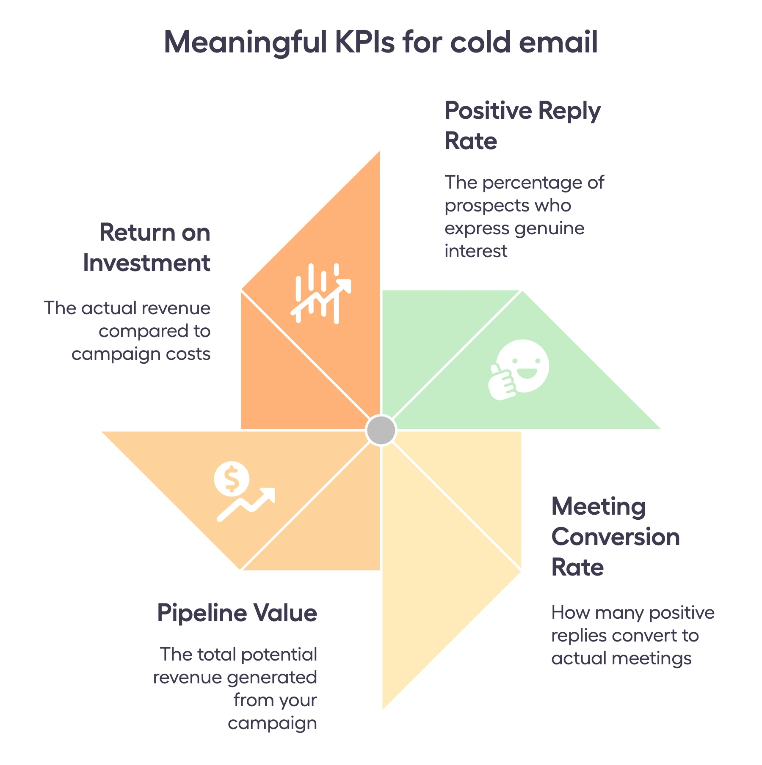
In B2B healthcare cold email marketing, chasing volume is a losing game. What separates high-performing campaigns is a focus on relevance and deliverability, not just how many emails go out, but how well they land and resonate.
Open rates, once a go-to benchmark, are no longer reliable. Apple’s Mail Privacy Protection (MPP) pre-loads emails on proxy servers, inflating open counts regardless of whether a recipient ever actually read the message. Optimizing for a metric you can’t trust leads to false confidence and wasted effort.
Instead, the focus should shift to signals that reflect genuine intent, as evidenced by healthcare decision-makers' actions that indicate real engagement, not automated noise.
Here are the key metrics that actually matter:
- Positive Reply Rate measures genuine interest, not just any response. It’s important to separate meaningful engagement from unsubscribes or negative replies so you know who is truly interested. A 3–5% reply rate is considered strong, while 8% or higher indicates that your targeting and messaging are highly aligned with the audience.
- Meeting Conversion Rate is the ultimate KPI for sales development representatives (SDRs). It shows how effectively outreach is converting into real conversations and potential opportunities.
- Pipeline Value helps marketers understand the total potential revenue from their outbound email campaigns. It is calculated by multiplying the potential revenue of each opportunity by its probability of closing, providing a weighted view of your future revenue.
- Return-on-investment in B2B healthcare cold email measures net profit against costs (software, labor cost, and data) to determine campaign profitability. It helps by identifying high-performing targeting and messaging, optimizing high-cost, long-cycle sales, and proving the financial value of outreach.
Conclusion
In B2B healthcare, the success of cold email marketing strategies heavily relies on precision targeting, personalized messages, and high deliverability. It has been found that if marketers implement volume-driven strategies, they quickly break trust, while precise targeting builds credibility and higher engagement with healthcare decision-makers. Every send is more than just an email; it is a signal to both the recipient and the filtering systems that monitor communication quality.
By refining targeting, cadence, and messaging, organizations can improve results without overwhelming prospects or harming sender reputation. Effective campaigns focus on relevance, ensuring each touch point adds value and aligns with healthcare buyers’ decision-making processes. Therefore, precision is essential for turning cold outreach into meaningful conversations and measurable business outcomes.
.png)

RELATED ARTICLES
Lorem ipsum dolor sit amet, consectetuer adipiscing elit, sed diam nonummy nibh euismod tincidunt ut laoreet dolore magna aliquam erat volutpat.
.png)

.png)


